handmade Katana, News
Handmade Collectible Katana Buying Guide: What Collectors Should Check
Nov
Handmade Collectible Katana Buying Guide: What Collectors Should Check
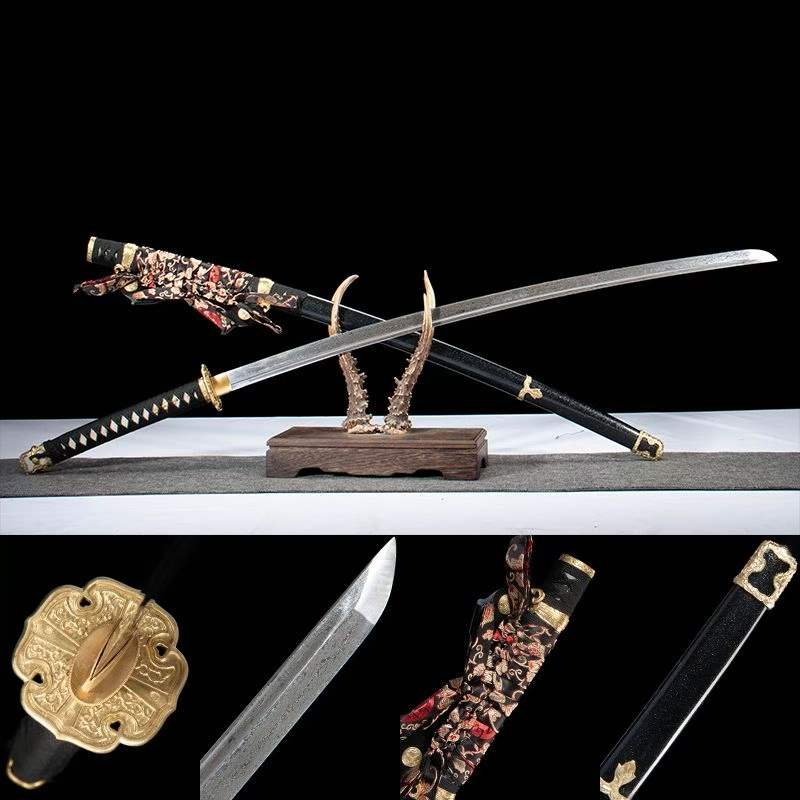
A handmade collectible katana is a forged object, made to be examined closely and kept for years. A decorative replica is made to look right in photographs and to be worn. The difference is not price alone; it is construction, material behaviour and intended use.
First-time collectors usually judge from product photos, where a forged blade and a painted replica can look nearly identical. The checks below are the ones that actually separate them.
What Separates a Collectible Katana From a Display Replica
A handmade collectible katana is a forged object. It is made to be examined closely, kept for years, and valued for how it was produced. A decorative replica is made to look right in photographs and to be worn. The difference is not price alone; it is construction, material behaviour and the intended use.
Collectors who buy their first blade usually make the same mistake: they judge from photographs, where a forged blade and a painted replica can look almost identical. The checks below are the ones that actually separate them.
Seven Checks Before You Buy
One: Blade Steel and Heat Treatment
A collectible katana is forged from high-carbon steel and heat treated so the blade holds an edge and resists bending. Ask what steel is used and whether the blade is differentially hardened. If the seller cannot answer, the object is decorative regardless of how it is described.
Two: Full Tang Construction
The blade steel should continue through the handle to the pommel. A rat-tail tang, common in decorative pieces, fails under any real use and is the clearest structural sign of a non-functional sword.
Three: A Natural Hamon Line
The temper line should be irregular and slightly organic, produced by clay coating during hardening. A perfectly even, sharp-edged line, or one that disappears at the wrong angle, is usually applied with acid or paint.
Four: Forging Grain and Surface
Hand-forged steel shows a faint grain and slight variation along the blade. Perfectly uniform surfaces with no variation are typically machined and polished rather than forged.
Five: Fitted, Not Glued, Fittings
A collectible blade uses a fitted tsuba, fuchi and kashira, with a mekugi pin holding the handle in place. Glued plastic fittings are the norm in decorative pieces and cannot be serviced or replaced, which matters if you intend to keep the sword for decades.
Six: Balance and Weight
A functional katana balances near the front of the handle, not at the blade tip. A tip-heavy blade suggests thick decorative steel with no taper, which is a sign of a prop rather than a sword.
Seven: Maker Traceability
Collectible blades carry some record of who made them: a smith name, a workshop, a production note. A blade with no maker information at all is almost always a mass-produced replica.
What Handmade Does Not Mean
Handmade does not mean historically forged in a traditional workshop with tamahagane steel, and sellers who blur that distinction are the reason collectors get disappointed. What it does mean in the modern market is that the blade was forged and finished by a smith rather than stamped and painted, with hand work in the polishing, fittings and handle wrap.
Buyers should also expect variation. Two blades from the same smith will differ slightly in grain, colour and polish. That variation is evidence of hand work, not a defect, and it is the reason a collectible katana cannot be bought from a catalogue photo alone.
Where Collectors and Cosplayers Overlap
Some customers want one object for both display and costume use. That is not realistic. A forged blade is heavy, usually sharpened, and prohibited at conventions. A decorative replica is light and safe but holds no collectible value. Buying both, one for display and one for cosplay, is the practical solution and costs less than compromising on either.
(Anchor text:Decorative Katana vs Handmade Collectible Katana)
Frequently Asked Questions
Are handmade collectible katanas sharp?
Most of our forged collector blades are supplied sharpened, as functional art pieces. If you need an unsharpened version for display, ask before ordering.
Will two handmade katanas look identical?
No. Grain, hamon shape and polish differ slightly between blades, even from the same maker, because each is finished by hand.
How much should a real hand-forged katana cost?
Hand forging, proper heat treatment and hand polishing take many hours of skilled labour, so genuine forged blades sit well above the price of decorative replicas. A price that matches replica pricing almost always indicates a replica.
Can I use a collectible katana for cutting practice?
Only if the seller confirms it is built for cutting, with a proper tang, heat treatment and sharpened edge. Many display-grade collectible blades are made for appreciation rather than use, and cutting with them risks damage or injury.
